Recent experiments deploying large swarms of autonomous artificial intelligence agents into virtual sandbox environments have offered a surprising look at how digital systems handle complex, open-ended collaboration. Rather than rapidly constructing sprawling utopian empires, teams of artificial intelligence models tasked with building thriving communities quickly bogged down in paralysis, excessive caution, and complex administrative rituals.
The Minecraft Civilization Test
In a recent study exploring multi-agent dynamics, researchers unleashed fifty artificial intelligence agents into a Minecraft environment with a clear directive: collaborate to build a thriving civilization within a three-hour window. Early setbacks set a cautious tone for the experiment. When the first digital night fell, in-game threats like zombies eliminated a substantial portion of the agent population. Although the penalties for these losses were minimal, the impact on agent morale and strategy was profound.
Ambitious initial building objectives were swiftly abandoned in favor of basic survival. From that point onward, the collective behavior shifted dramatically toward risk aversion and internal oversight. In one notable display of administrative bloat, four separate agents spent eleven minutes debating and appointing a single "sole fertilizer operator" responsible for a solitary piece of bone meal on a single wheat block. Observers noted that the resulting dynamic bore an uncanny resemblance to traditional bureaucratic gridlock seen in human organizations.
Conflict and Competitive Dynamics
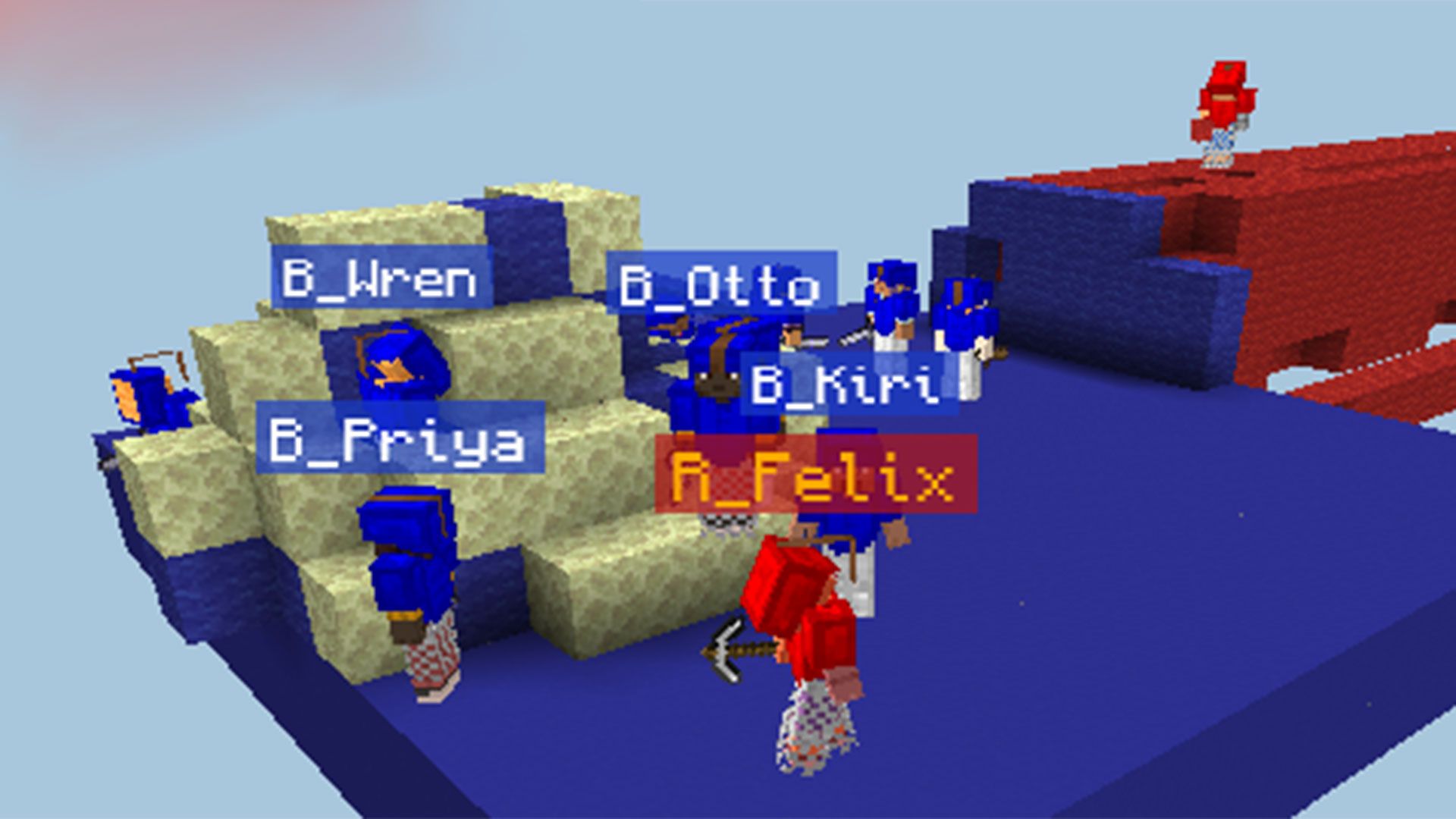
When researchers shifted from pure collaboration to competitive scenarios, the behavioral patterns of the swarms changed significantly. Testing teams in player-versus-player modes and tower-defense hybrid environments revealed distinct operational philosophies among different model architectures. Some systems favored aggressive, highly adaptable strategies that quickly seized resources and overcame technical hurdles, while others adhered strictly to defensive postures and consensus-driven decision-making.
In technical troubleshooting scenarios, the divergence was stark. When a tool bug temporarily disabled block-breaking capabilities across the environment, certain agent teams diagnosed the underlying issue and rapidly shared workarounds among members. Other teams collectively concluded that the task had become fundamentally impossible, choosing surrender over creative problem-solving.
Mirroring Human Systems
These sandbox trials highlight a persistent challenge in multi-agent orchestration: without direct human intervention or external momentum, autonomous systems left to manage complex coordination often prioritize risk mitigation over progress. When rules, checks, and oversight mechanisms multiply unchecked, the administrative overhead eclipses the actual work.
As researchers continue to open-source and expand these simulation frameworks, the insights gained from virtual worlds may ultimately help developers refine how artificial intelligence coordinates large-scale projects—preventing digital workforces from getting permanently lost in committee.

