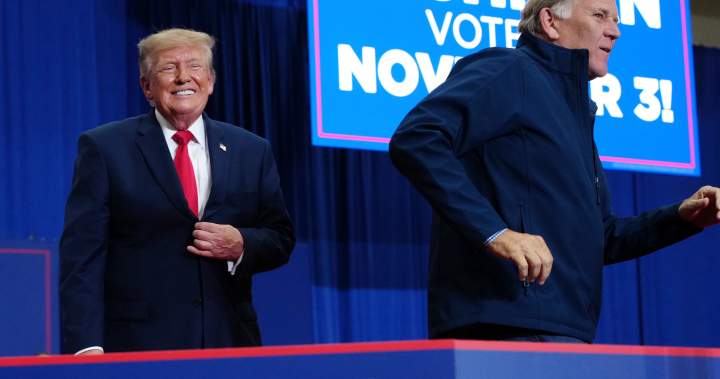
Speaking at a campaign rally in Port Huron, Michigan, U.S. President Donald Trump suggested that the months-long trade friction between the United States and Canada may be drawing to a close. Addressing the crowd less than two weeks before the midterm elections, Trump claimed that Canada was eager to resolve the dispute, asserting that the cross-border trade situation would be settled "pretty soon."
During his remarks, Trump reiterated long-standing grievances regarding trade terms between the two neighboring nations, alleging that Canada had taken advantage of the U.S. economically over many years. He defended his administration's decision to implement steep tariffs, portraying the aggressive trade measures as a necessary step to force structural adjustments.
Tensions and Border Impacts
Diplomatic ties between Washington and Ottawa have remained fragile since formal trade negotiations collapsed earlier in the year. Following a breakdown in talks over contentious demands, the U.S. instituted heavy tariffs on a wide range of Canadian exports, prompting Ottawa to implement swift retaliatory duties on key American goods.
With border communities bearing much of the economic disruption, pressure has mounted on lawmakers in high-stakes electoral districts. In response to concerns raised by border-state representatives, Washington announced selective modifications to the tariff structure, lifting certain heavy rates while introducing new levies on specific product categories.
Public Skepticism and Election Dynamics
Trump’s declaration has drawn varied reactions from observers and the public, with many noting the close proximity of the upcoming midterm elections. Some critics view the sudden optimism surrounding a trade resolution as a tactical move aimed at mitigating voter frustration over rising costs and local economic strain.
Public sentiment reflects widespread hesitation to take the announcement at face value. Pointing to previous declarations regarding international affairs and domestic policy, one observer noted:
"Pretty soon like his healthcare plan thats been 2 weeks away for 10 years?"
Others pointed out the economic reality in border towns, where declining cross-border tourism and business travel have left local businesses struggling under the weight of trade barriers. As one commenter highlighted:
"US Border towns and tourist destinations care about the economic impact of Canadians not coming."
Whether the rally rhetoric translates into formal trade negotiations remains to be seen. For now, key bilateral trade measures remain in place as both countries navigate the broader economic and political fallout.

