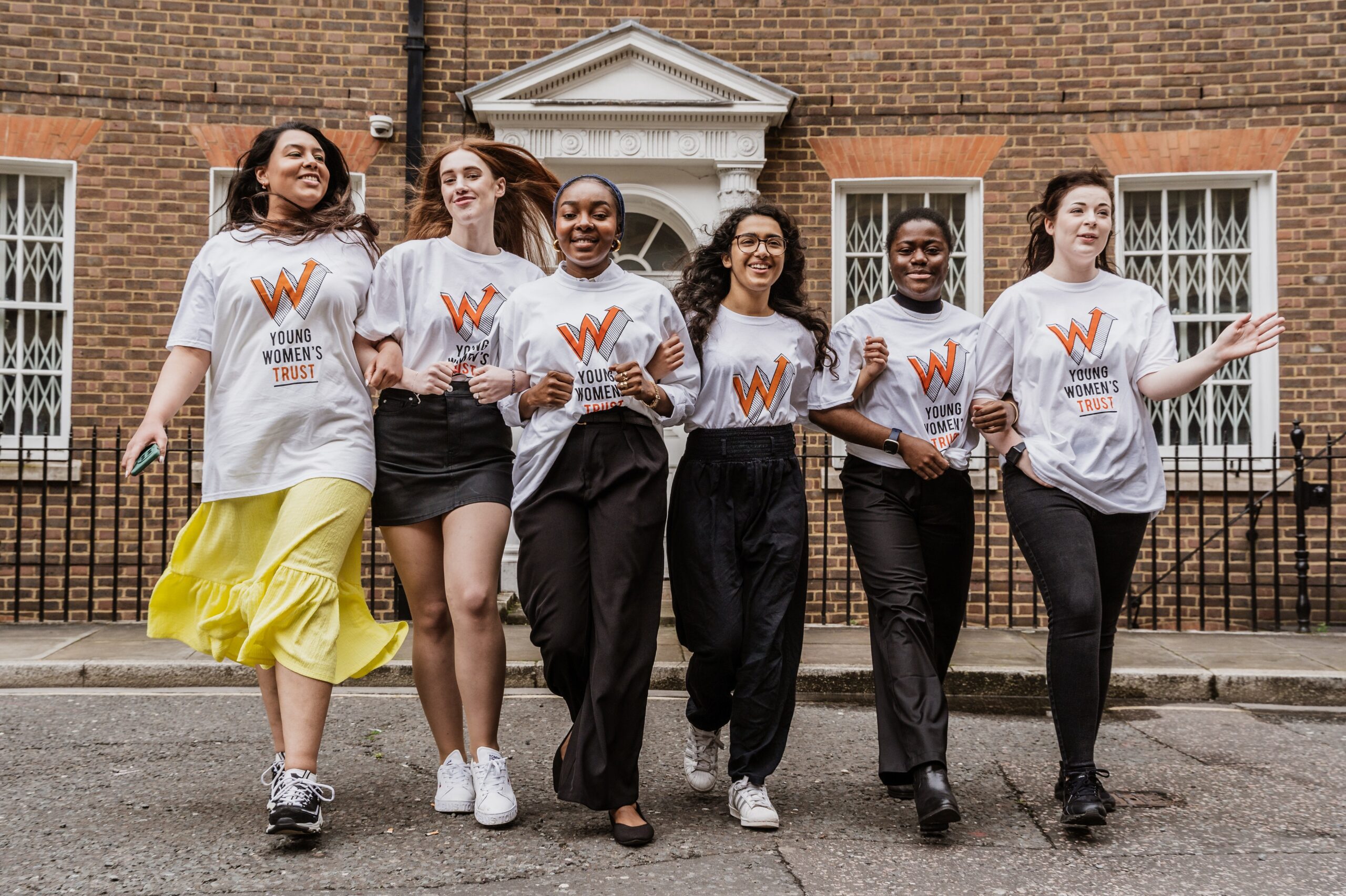
Recent findings from the Young Women’s Trust have brought a stark reality into focus: a staggering nine in ten young women in the UK aged between 18 and 30 have experienced sexism over the past year. Far from being isolated incidents, these encounters are reshaping how young women navigate public life, their careers, and their own mental well-being. With three-quarters of respondents reporting that their lives have been negatively affected by misogyny, the conversation extends far beyond workplace statistics into the psychological toll of modern existence.
The Everyday Reality of Misogyny
The research paints a troubling picture of how pervasive these attitudes have become. More than three-quarters of young women surveyed feel that sexist views are increasingly common, while a significant majority note that such comments are becoming more acceptable among young men. This shift is forcing many to alter their daily behavior—changing how they dress, watching what they say, or consciously avoiding sharing opinions in professional settings.
The impacts are particularly acute in male-dominated professional environments. Corporate culture often masks subtle discrimination under the guise of casual banter, leaving individuals isolated and exhausted. As one professional working in finance described the dynamic:
I work in finance, which is obviously very male dominated, and every now and again a joke will be made – which they see as treating me like one of the boys and involving me – but it makes me feel isolated and uncomfortable. In the past I’ve had jokes about me, which were personal and hurtful, but I don’t think they ever stop to think how upsetting it can be to have to deal with on a daily basis.
Navigating these environments requires a constant mental tax, forcing individuals to spend valuable energy managing perceptions rather than focusing on their actual work.
Amplification Through the Digital Age
While everyday interactions contribute heavily to this climate, the constant stream of online content and digital algorithms plays a massive role in shaping perceptions of safety and societal division. Observers point out that modern media consumption habits can heavily distort reality, creating an environment where constant exposure to negative news heightens anxiety.
Young people spend more time on social media and see the worst unfold on an algorithm. Fake stories to generate clicks and outrage. A growing gender divide stoked by online personalities and influencers.
At the same time, others emphasize that online rhetoric mirrors real, lived dangers that cannot be dismissed as mere perception. The intersection of genuine harassment and hyper-connected digital anxiety creates a complex landscape where fear and reality continually blur.
Looking Toward Solutions
Addressing a challenge of this magnitude requires looking beyond polarized culture wars and finding constructive ways forward. Experts and advocates are calling for coordinated national frameworks, clearer workplace standards, and educational initiatives that bring young men and women together to challenge harmful gender norms.
Unifying communities and fostering genuine dialogue will be essential to reversing these trends. Only by confronting both institutional practices and the digital forces amplifying division can society hope to build an environment where everyone feels secure, valued, and empowered to reach their potential.

