When filmmakers choose a title, they usually aim to capture a mood, hint at a theme, or pique curiosity without giving away the store. Yet a distinct category of cinema throws caution to the wind, putting the ultimate conclusion, major death, or entire premise right at the top of the poster. From straightforward narrative descriptions to titles that spell out the exact fate of their protagonists, self-spoiling movies turn conventional marketing wisdom on its head.
When the Title is a Synopsis
Some films leave zero room for ambiguity about where their stories are heading. Take titles like John Dies at the End or John Tucker Must Die, which treat narrative suspense as an afterthought by laying out the destination before the opening credits even roll. While it might seem counterintuitive to hand out spoilers before the audience has settled into their seats, this upfront honesty often shifts the viewing experience. Instead of wondering if an event will happen, viewers watch to see how and why the inevitable unfolds.
Classic cinema and literature adaptations frequently fall into this category as well. For instance, titles such as The Assassination of Jesse James by the Coward Robert Ford offer a comprehensive summary of historical events rather than a hidden mystery. Viewers stepping into these stories are not looking for a sudden plot twist; they are investing in the dramatic journey and character dynamics leading up to a heavily signposted finish line.
Regional Twists and Misleading Expectations
International distribution often adds another layer of playful transparency—or confusion—to movie titles. Different markets frequently tweak titles to make the premise explicit for local audiences. As one observer noted regarding international releases, "In Latin America, the 2022 Sylvester Stallone film 'Samaritan' was released under the title (Spoiler ahead) 'Nemesis'." Similarly, localizations can completely change how a film is perceived, such as a major release in Spain where "Eternal Sunshine of the Spotless Mind (2004)" was retitled to something much more direct: "Olvídate de mí!" (Forget About Me!).
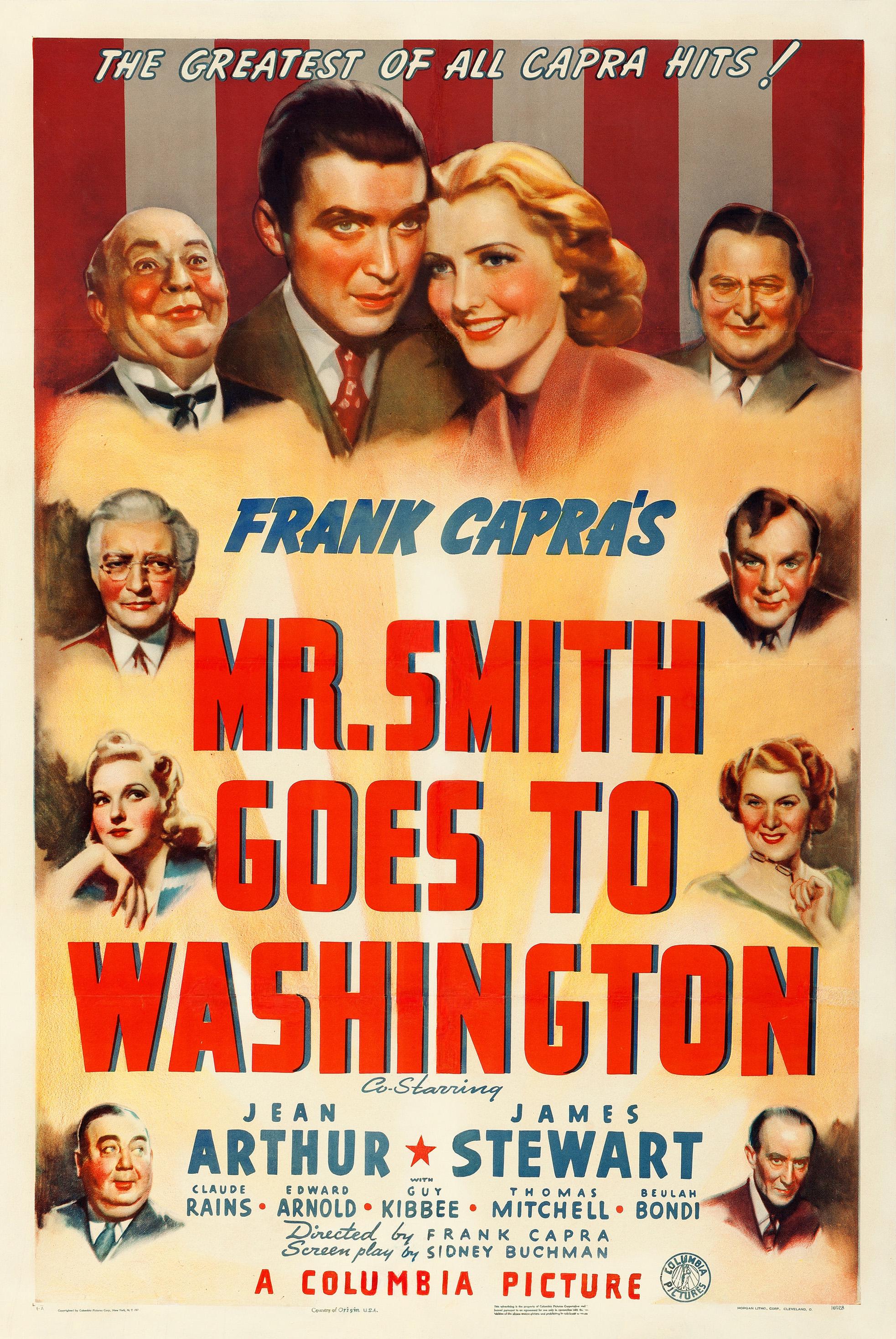
Other times, titles carry a double meaning or historical irony that plays with audience expectations. Reflecting on classic political satires, a viewer dryly observed, "The movie Mr Smith Goes to Washington is about an honest man getting elected to American office and continuing to behave morally while serving in the US senate. This is to remind viewers that the movie is fiction." Another contributor quickly chimed in with a fictional sequel concept, suggesting that "The sequel Mr. Smith Leaves Washington is so much better."
The Appeal of Knowing the Ending
Why do self-spoiling titles persist? For many, knowing the ending removes the anxiety of a traditional mystery and allows for a deeper appreciation of the craft, subtext, or dark comedy. Whether it is a literal description of space exploration or a blunt warning about a character's impending doom, these titles challenge the traditional rules of storytelling, proving that a destination can sometimes be far more entertaining than the surprise of getting there.