A sharp escalation in Haiti’s security crisis took shape at Port-au-Prince’s Toussaint Louverture International Airport when military transport aircraft landed carrying hundreds of troops from El Salvador. The arrival of the deployment follows an ambush in the capital that left four Salvadoran military personnel missing, sparking swift retaliation promises and an intense rescue effort.
The initial wave of reinforcements saw 100 special forces troops touch down, quickly followed by four additional flights carrying approximately 350 Salvadoran military personnel. The logistics involved have highlighted growing international involvement, with a U.S. military C-130 transport plane provided by the Pentagon at the request of the U.S. State Department to help ferry the troops. Additional flights originating from Washington Dulles International Airport also arrived in the Haitian capital, raising questions about the extent of direct American operational coordination.
Ambush in Santo and a Rapid Response
The crisis began when four Salvadoran aviation technicians, deployed as part of the broader United Nations-authorized Gang Suppression Force, were ambushed in the gang-controlled neighborhood of Santo in Croix-des-Bouquets. The personnel were returning to their base in an armored vehicle when they came under heavy fire from the Chen Mechan gang, joined shortly after by members of 400 Mawozo.
According to an official statement from the Armed Forces of El Salvador, the attackers fired on the vehicle and detonated an explosive device, causing the vehicle to catch fire. Though the troops managed to exit the burning transport, their whereabouts remain unknown. Rumors in the capital suggested severe outcomes, but official statements from El Salvador have categorized the men as hostages taken by the armed groups.
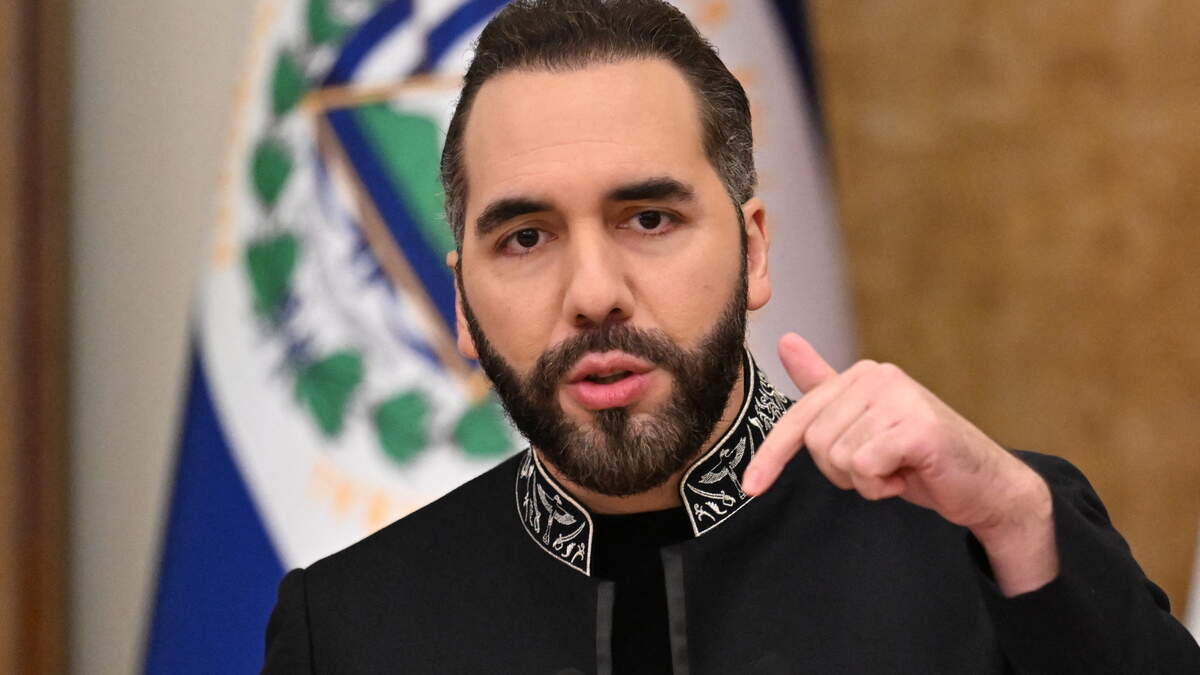
In response, Salvadoran President Nayib Bukele issued severe warnings to the gang networks, threatening a major offensive if the captured soldiers were not returned safely. The newly arrived troops have joined multiple rescue operations involving ground units and helicopter support, focusing search efforts in territory heavily controlled by local coalitions.
Tactical Challenges and Strategic Friction
The sudden deployment of specialized units outside standard international channels introduces complex tactical dynamics. Experts analyzing the situation note that while the multinational force was designed to assist Haitian authorities through coordinated, gradual deployments, direct national interventions create overlapping lines of authority and rules of engagement.
Search operations in the densely populated urban strongholds of Port-au-Prince present steep operational hurdles. Analyst commentary highlights the difficulty of locating captive personnel within gang-controlled districts, noting:
"Military pressure is mounting, in hopes the soldiers will be released, including a reported attack with explosive drones on a compound belonging to 400 Mawozo leader Lanmò San Jou. But even with a major offensive, finding the Salvadorans will be like looking for a needle in a haystack unless gangs agree to hand them over."
The incident occurs as local gang alliances, particularly the Viv Ansanm coalition, adapt their strategies toward hostage-taking as a means of leverage against international forces. Security observers point out that the ambush disrupts a slow but structured rollout of the multinational security framework, forcing international stakeholders into a reactive stance.
Broad Impacts on Civilians
While military forces mobilize across the capital, the ongoing violence continues to inflict a heavy toll on the surrounding civilian population. Recent clashes and territory disputes in the region surrounding Port-au-Prince have displaced thousands of residents, with humanitarian reports indicating that thousands of families have been forced from their homes in nearby rural and coastal towns in recent days alone.
The deployment of additional Salvadoran forces marks the highest-profile escalation in the international mission since its renewal, signaling a volatile turn as foreign militaries attempt to navigate Haiti's deeply entrenched security challenges.

